What Is Japanese BBQ Called?
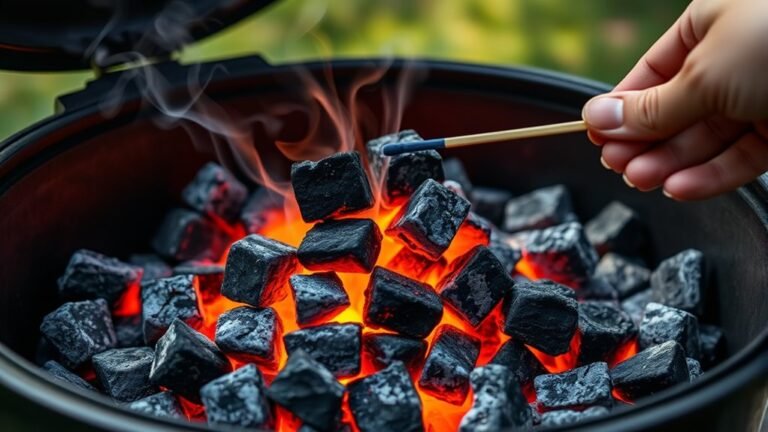
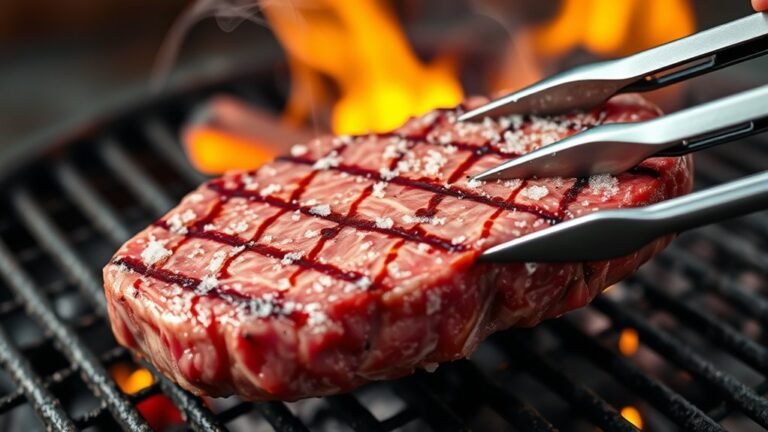
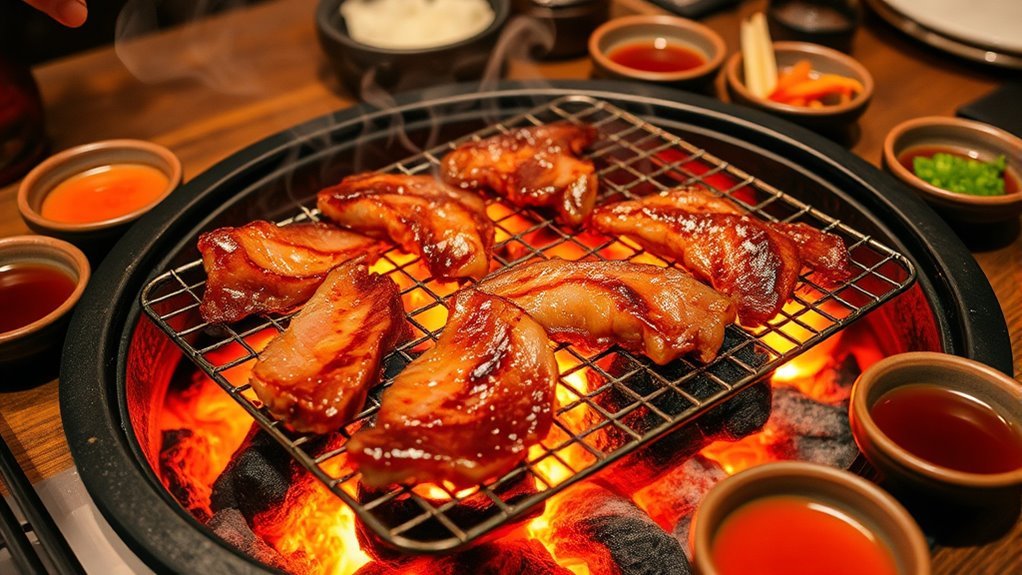
You call Japanese BBQ “yakiniku,” which means “grilled meat.” It’s a popular style where you grill bite-sized, thinly sliced meats and vegetables right at your table, usually over charcoal or gas.
Yakiniku is all about enjoying the natural flavors of the ingredients.
Unlike Korean BBQ, yakiniku highlights minimal seasoning and simple soy-based sauces. This way, the true taste of the meat shines through.
It’s a refined and tasty experience that blends Korean roots with Japanese style.
Keep exploring, and you’ll uncover the unique history and cultural nuances behind this delicious tradition.
It’s more than just a meal; it’s a social and culinary experience worth savoring.
Key Takeaways
- Japanese BBQ is called “yakiniku,” which literally means “grilled meat” in Japanese.
- The idea is to grill bite-sized pieces of meat and vegetables right at your table, usually over charcoal or gas.
- It actually has its roots in Korean barbecue but got its own unique twist in Japan after World War II.
- Yakiniku is all about bringing out the natural flavors. They use minimal seasoning and prefer thinly sliced, premium cuts of meat.
- Unlike Korean BBQ, which often features bold marinades, yakiniku focuses on light sauces and keeps things pretty simple.
The Meaning and Origins of Yakiniku
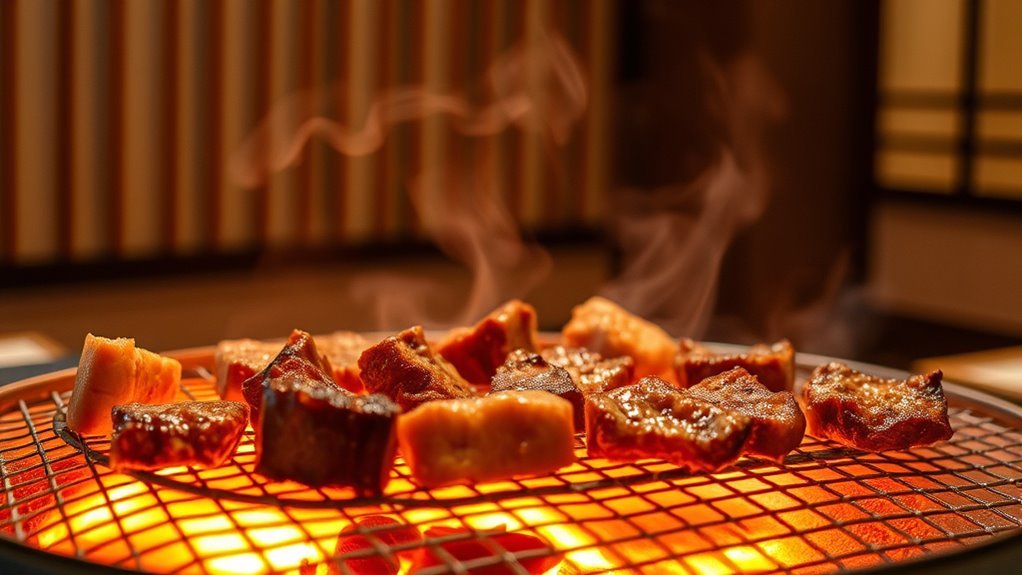
Although you might already enjoy yakiniku at your favorite restaurant, understanding its meaning and origins adds depth to the experience. Yakiniku, meaning “grilled meat,” is a popular Japanese barbecue cooking style where bite-sized meat cuts and vegetables are grilled right at your table.
This Japanese cuisine originated from Korean barbecue, introduced by Korean immigrants after World War II. Over time, Japan adapted it with unique touches, emphasizing lightly seasoned meat and savory sauce dips.
Typically grilled over charcoal or gas, yakiniku highlights the natural flavors of the meat and vegetables. The term “yakiniku” became widely used in the late 1960s, reflecting a blend of Korean tradition and Japanese innovation.
Now, when you savor yakiniku, you’re enjoying a distinct fusion of cultures and flavors. It’s more than just a meal — it’s a tasty story on your plate!
Key Differences Between Japanese and Korean BBQ
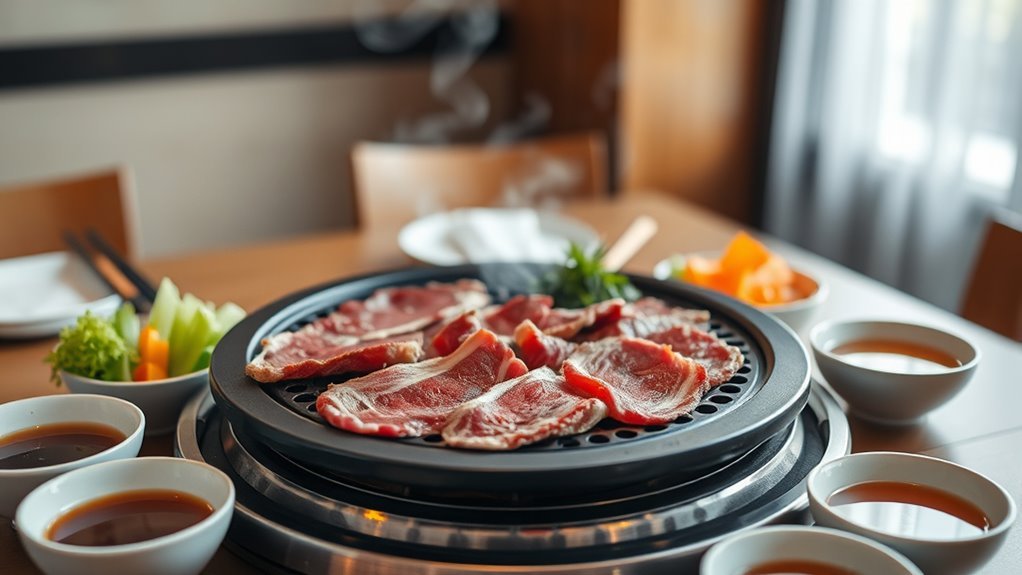
How do Japanese and Korean BBQ differ when it comes to flavor and dining style? Japanese BBQ, known as yakiniku, emphasizes premium cuts of grilled meats, typically thin slices cooked over a tabletop grill.
You’ll notice minimal marination, allowing the natural flavor to shine, often enhanced with soy-based sauces. It’s a pretty straightforward, clean approach.
In contrast, Korean BBQ focuses on larger, marinated cuts bursting with bold, spicy flavors from gochujang-based sauces. The flavors are definitely more intense and vibrant.
When you enjoy yakiniku, the experience is more minimalistic, centered on the quality of the meat itself. Korean BBQ, however, offers a lively, communal feel with an array of side dishes (banchan) complementing the grilled meats.
Both have their unique charm, but yakiniku’s simplicity and focus on premium cuts set it apart from the richly marinated, side-dish-rich Korean BBQ. It really depends on what kind of dining experience you’re after!
Conclusion
Now that you know yakiniku means “grilled meat” and how it differs delightfully from Korean BBQ, you’re ready to relish the rich, roasted flavors of Japan. Whether you’re savoring sizzling slices or dipping in delicious sauces, you can plunge into this dynamic dining experience with confidence.
So, grab your grill gear and get going—your next Japanese BBQ adventure awaits, full of flavorful fun and fantastic feasts! Yakiniku isn’t just about cooking meat; it’s about sharing good times and creating memories around the grill. Ready to explore the delicious world of Japanese BBQ? Let the yakiniku journey begin!