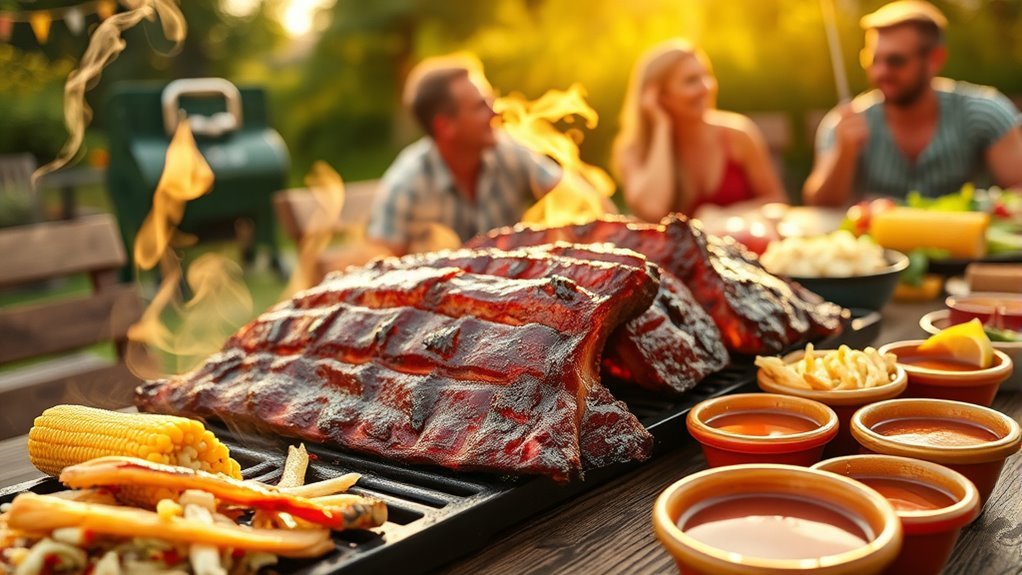
What Does BBQ Stand For?
BBQ stands for “barbecue,” a word that comes from the Taino tribe’s term “barbacoa.” This originally described a wooden framework used for slow-smoking meat.
When European explorers adopted the practice, the term evolved to mean cooking meat over indirect heat or smoke.
Today, BBQ refers to various regional styles, from Carolina’s tangy pork to Kansas City’s sweet sauces. It’s pretty fascinating how different cultures have shaped unique BBQ traditions worldwide.
If you’re curious, exploring these styles can give you a great taste of history and flavor!
Key Takeaways
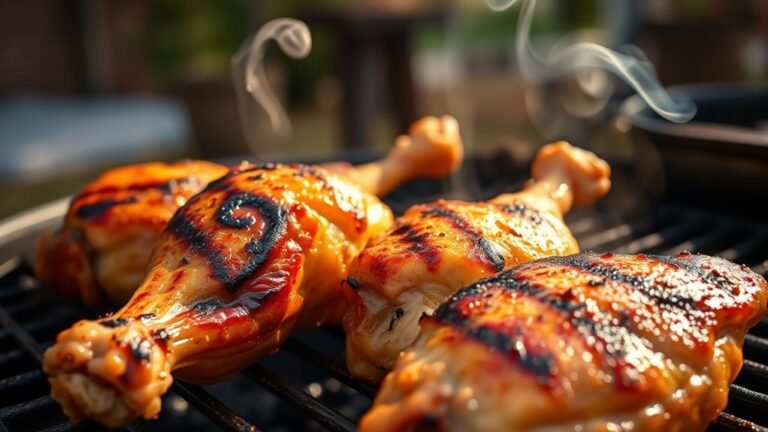
- BBQ stands for “barbecue,” which is a cooking method that involves slow-cooking meat over smoke or fire. It’s all about getting that smoky flavor and tender texture.
- The term actually comes from the Taino word “barbacoa.” This referred to a wooden framework used for smoking meat, which is pretty cool when you think about it.
- The word “barbacoa” was first recorded in Spanish back in 1526 by the explorer Gonzalo Fernández de Oviedo y Valdés. So, it’s got some serious history behind it.
- Nowadays, BBQ broadly describes various regional styles of smoked or grilled meat all around the world. Every place has its own twist and special flavors.
- At its core, BBQ symbolizes a cooking tradition that blends indigenous, European, and regional culinary influences. It’s more than just food; it’s a cultural experience.
Origins and Etymology of BBQ
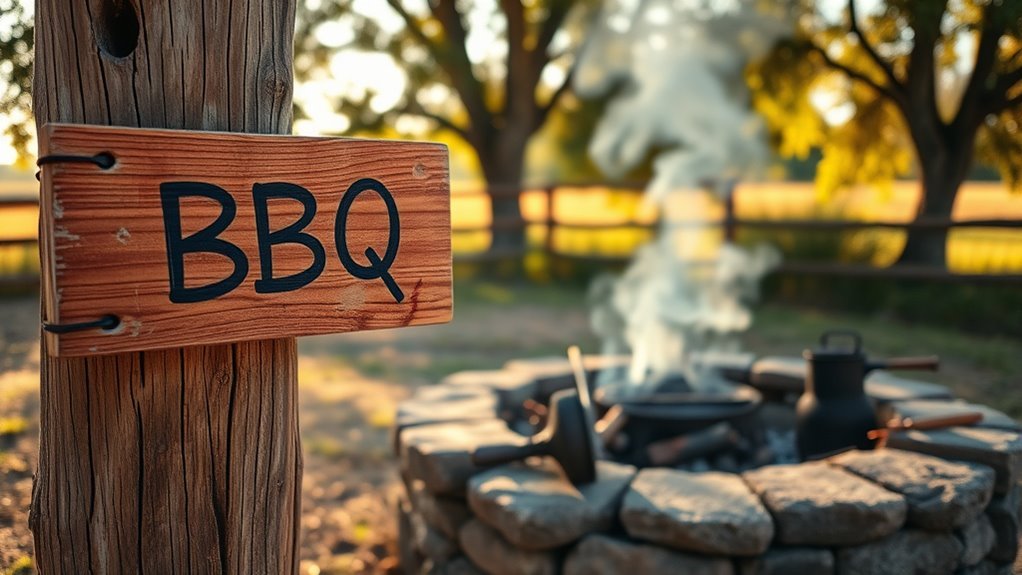
Although many people enjoy BBQ today without considering its roots, the term “barbecue” actually comes from the Taino tribe’s word “barbacoa,” which referred to a wooden framework used for smoking meat. This term captures the origins and etymology of barbecue, linking it to an ancient cooking method from the Caribbean.
The first recorded use of “barbacoa” in Spanish dates back to 1526, documented by Gonzalo Fernández de Oviedo y Valdés. European explorers encountered this technique and adopted the word into Spanish, associating it with indigenous methods of slow-cooking meat over fire and smoke.
Regional Variations and Cooking Methods
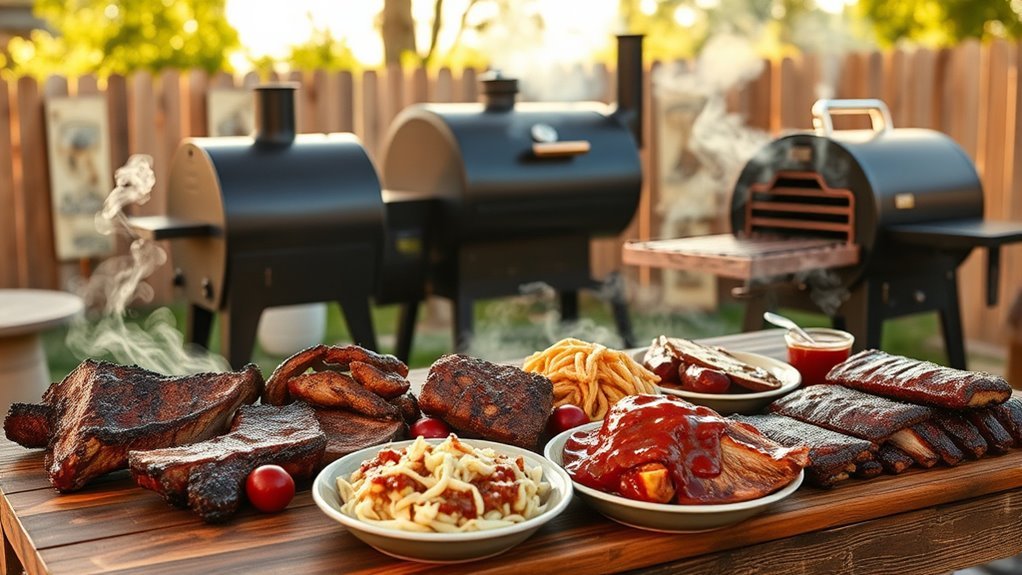
Barbecue has evolved far beyond its Caribbean origins, taking on unique flavors and methods across the globe. You’ll find distinct regional styles like Carolina’s tangy barbecue sauces and slow-smoked pork, Kansas City’s sweet, thick sauces, and Memphis’s dry rub preparations.
South African braais showcase outdoor cooking around an open fire, grilling lamb and sausages over wood or charcoal. In South America, Brazilian churrasco and Argentine asado emphasize grilling large cuts using traditional grilling techniques and clay ovens.
Each region’s cooking methods reflect cultural influences, local climate, and regional ingredients, shaping the smoking process and meat preparations you experience. Whether it’s the smoky pits in the southern U.S. or cast iron griddles in the UK, barbecue’s diversity invites you to savor its rich, varied heritage.
Conclusion
Now that you know BBQ stands for barbecue, you can appreciate the rich history behind this beloved cooking style. Whether you’re slow-smoking ribs in the South or grilling kebabs on the West Coast, BBQ is a flavorful journey that brings people together.
So next time you fire up the grill, remember—you’re not just cooking food; you’re stirring up a delicious tradition that’s as comforting as a warm, smoky hug. Enjoy every bite of your BBQ experience!