What Does BBQ Stand For?
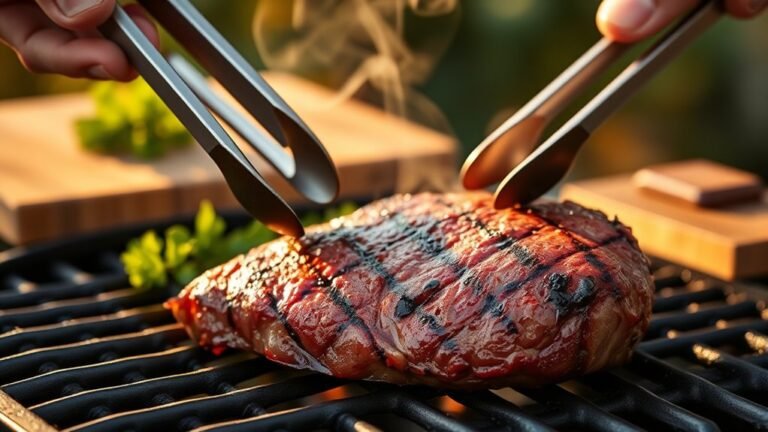
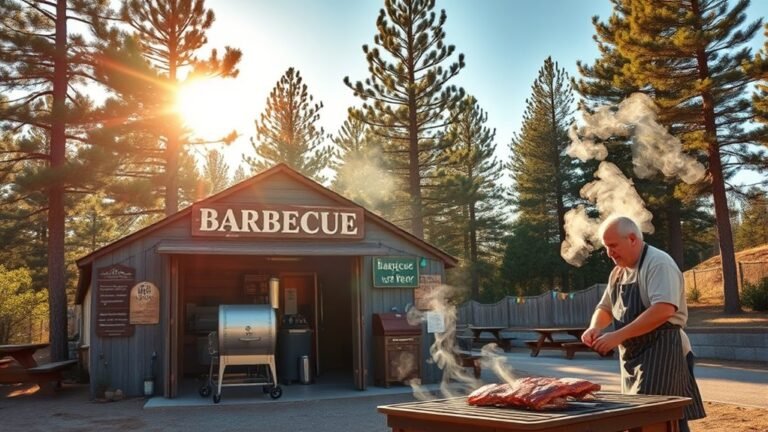
BBQ stands for barbecue, a term that comes from the indigenous Caribbean word “barbacoa,” meaning a wooden framework for smoking meat. When you hear BBQ, think of outdoor cooking where meat is slow-smoked or grilled over fire. It’s a popular cooking method that brings people together.
Different regions put their own spin on BBQ, from vinegar-based sauces in North Carolina to smoky brisket in Texas. It’s not just food—it’s a tradition rich with history and culture that has evolved over centuries.
There’s plenty more to uncover about its fascinating roots and regional styles.
So next time you enjoy some BBQ, remember you’re tasting a piece of history and a flavorful tradition that spans generations and continents!
Key Takeaways
- BBQ stands for “barbecue,” which is a cooking method that involves slow-cooking or smoking meat over fire or heat. It’s a great way to infuse flavor and tenderness into the food.
- The term actually comes from the Taino word “barbacoa.” This referred to a wooden framework used for smoking meat, which was pretty ingenious for its time.
- Spanish explorers first recorded “barbacoa” back in 1526. From there, the word was adapted into various European languages as people got introduced to the cooking style.
- By the 17th century, the English word “barbecue” had appeared. It evolved from these indigenous cooking techniques and gradually became a popular term.
- Nowadays, BBQ represents outdoor cooking traditions that vary a lot depending on the region. Different places have their own unique flavors and methods, making BBQ a truly global phenomenon.
Origins and Meaning of BBQ
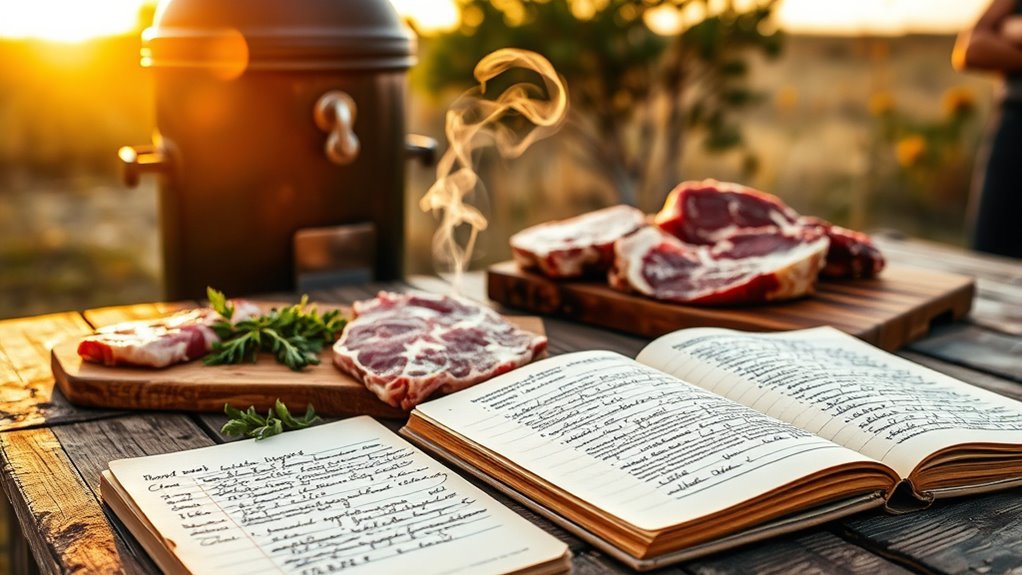
Where did the word “barbecue” come from? Its origin traces back to the Taino tribe’s term “barbacoa,” describing a wooden framework used for smoking meat. This indigenous method caught the attention of Spanish explorers in the Caribbean.
The first recorded use of “barbacoa” in Spain dates to 1526. Over time, the term’s etymology spread into Spanish, Portuguese, French, and English languages. English adopted “barbecue” by the 17th century.
Historically, European texts linked barbecue to savage or even cannibalistic practices due to misunderstandings of indigenous cooking methods. But today, barbecue’s meaning has evolved.
Now, it represents an outdoor cooking style involving slow-smoking meat. You can see how its history blends indigenous traditions and Spanish influences, shaping what BBQ means to you now.
Regional Variations and Cooking Methods
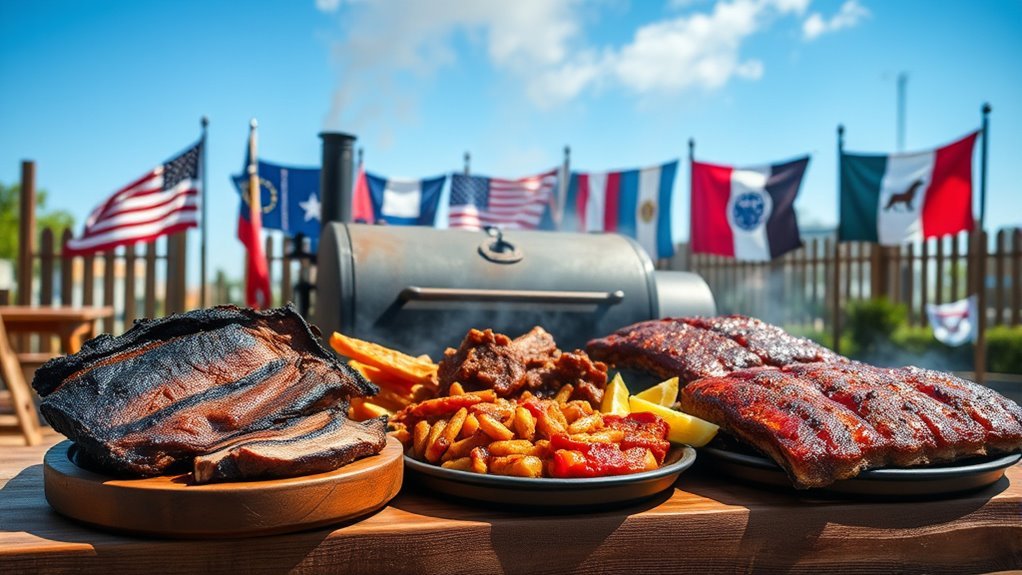
Although barbecue shares common roots, you’ll find its styles and techniques vary widely across regions, each offering a distinct flavor and experience. When exploring regional styles, consider these key aspects:
- Cooking Methods: From South African braais using open fire to American techniques like indirect heat smoking, cooking methods shape the texture and taste of the meat.
- Cuts of Meat & Sauces: North Carolina favors pulled pork with vinegar-based sauces, while Texas highlights brisket with smoky, robust sauces. These choices reflect regional ingredients and flavor profiles.
- Cultural Practices: South American churrasco and Argentine asado emphasize communal grilling of unique cuts. This approach embeds cultural traditions into every bite.
Conclusion
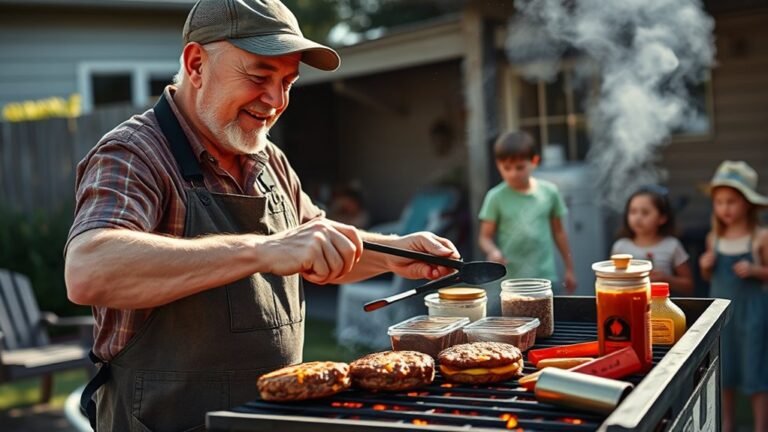
Now that you know BBQ stands for barbecue, you’re ready to plunge into its smoky world. Whether you’re slow-cooking ribs in the South or grilling burgers in the North, BBQ brings people together like a warm hug on a chilly day.
So, fire up that grill and let the flavors dance—because BBQ isn’t just about food, it’s about tradition, community, and savoring every delicious moment.
Barbecue is more than a cooking method; it’s a celebration of flavor and friendship. From the smoky aroma to the tender bites, BBQ creates memories around the grill. So next time you hear “BBQ,” remember it stands for more than just barbecue—it stands for good times, great food, and the joy of sharing.